Designing a small balcony in California requires a balance between creativity, functionality, and safety. Whether you live in a condominium, apartment, or multi-family building, a well-designed balcony can become a relaxing outdoor retreat without compromising structural integrity or compliance requirements.
Because many California balconies are elevated and part of regulated exterior structures, thoughtful design must go hand in hand with safety and maintenance awareness.
Understanding Small Balcony Design in California
California living often emphasizes indoor-outdoor flow, even in compact spaces. Small balconies are common in:
Condominiums
Apartment buildings
Urban townhomes
Mixed-use residential properties
However, balcony design is not only about aesthetics. In multi-family and HOA-managed buildings, balconies may fall under exterior elevated element inspection programs, which makes material choice and installation methods especially important.
Smart Layout Ideas for Small California Balconies
Designing a small balcony begins with smart space planning.
Use Foldable or Compact Furniture
Choose foldable chairs, slim-profile tables, or built-in bench seating. Compact furniture prevents overcrowding and allows flexible use of the space.
Create Vertical Storage
Install wall-mounted shelves or railing planters to maximize vertical space. This keeps the walking surface clear while adding personality.
Define a Functional Zone
Even a small balcony can have a purpose—such as a reading corner, coffee space, or small dining area. Keeping the layout intentional prevents clutter and improves comfort.
Balcony Flooring Ideas That Work in California
Flooring plays a major role in both design and moisture performance.
Popular small balcony flooring options include:
Interlocking deck tiles
Exterior-rated composite tiles
Lightweight outdoor rugs
Slip-resistant surface coatings
When choosing flooring, avoid heavy installations that may exceed load considerations. Always ensure added materials do not trap moisture or interfere with drainage.
Decor and Privacy Ideas for Compact Balconies
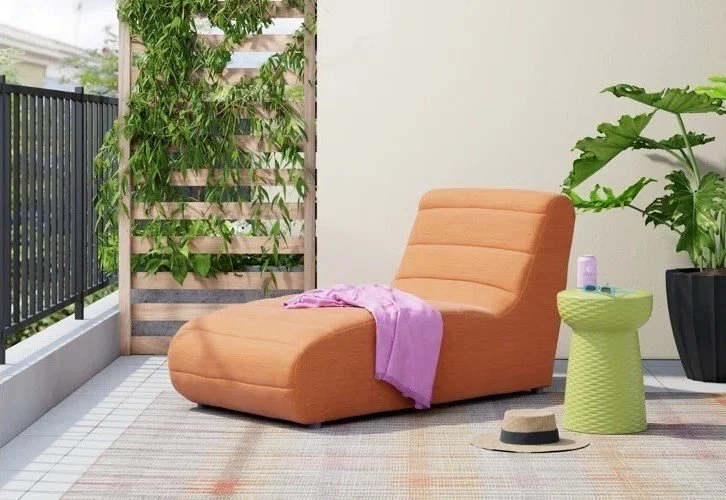
Outdoor Plants and Green Walls
California’s climate supports a variety of balcony-friendly plants. Use lightweight planters and ensure proper drainage to prevent water accumulation.
Privacy Screens
Railing covers or slim privacy panels, can enhance comfort without adding excessive weight. Always verify HOA guidelines before installing permanent fixtures.
Lighting for Ambiance
Use outdoor-rated string lights or compact LED fixtures. Avoid electrical modifications that require structural penetration without proper review.
Designing With Safety in Mind
Balcony design should never compromise structural integrity. Before adding furniture, planters, or decorative features, it is important to consider balcony load capacity, railing stability, drainage performance, and the overall waterproofing condition.
Overloading small balconies with heavy items can increase stress on structural components, and loose railings or signs of wood decay should always be addressed before proceeding with any design upgrades.
Small Balcony Design in HOA and Multi-Family Buildings
In California condominiums and HOA-managed communities, balcony modifications may require approval.
Important considerations include:
HOA architectural guidelines
Restrictions on permanent alterations
Limitations on drilling into railings or walls
Waterproofing protection
In many multi-family properties, balconies may be classified as exterior elevated elements subject to periodic inspections. Decorative changes should not interfere with safety features or inspection access.
Balcony Inspections and Compliance Awareness
California law requires inspection of certain exterior elevated elements in regulated buildings. If your balcony is elevated above grade, attached to the building, and supported by wood or wood-based load-bearing components, it may fall under inspection requirements depending on the property type. Design upgrades should not conceal structural components or restrict access for future inspections.
For example, avoid permanently enclosing undersides, do not block drainage paths, and do not modify railing systems without proper approval. Balancing design with inspection readiness helps protect both safety and compliance.
Common Mistakes to Avoid in Small Balcony Design
Overloading with heavy furniture or stone planters
Installing flooring that traps moisture
Drilling into structural framing without approval
Blocking weep holes or drainage outlets
Ignoring railing movement or surface cracking
Design improvements should enhance comfort without increasing risk.
How Great Escape Service & Inspection Can Help
When planning balcony improvements, Great Escape Service & Inspection helps property owners and HOAs evaluate balcony condition before modifications are made.
Our inspections assess structural integrity, waterproofing performance, railing stability, and moisture exposure to ensure design changes do not compromise safety. By understanding the balcony’s current condition, owners can make informed decisions that align with inspection requirements and long-term durability.
Conclusion
Designing a small balcony in California is about maximizing comfort while respecting structural and compliance considerations. Smart furniture choices, lightweight materials, and proper drainage awareness can transform compact spaces into inviting outdoor areas.
For condominiums and multi-family buildings, design decisions should always account for inspection requirements and safety standards. A well-designed balcony is not only stylish but also structurally sound and inspection-ready.
FAQs
How can I make my small balcony look bigger?
Use light-colored finishes and compact furniture. Keep the layout uncluttered and utilize vertical space.
What flooring is best for small balconies in California?
Lightweight, exterior-rated materials that allow drainage are recommended. Avoid heavy or moisture-trapping installations.
Can I add plants to my condo balcony?
Yes, but use lightweight planters and ensure proper drainage. Check HOA rules before installing permanent fixtures.
Are there weight limits for balconies?
Balconies are designed for occupant loads, but excessive weight may create stress. Heavy installations should be reviewed carefully.
Do balcony design changes require HOA approval?
Many HOAs require approval for structural or visible modifications. Always review governing documents before making changes.
Can balcony flooring affect waterproofing?
Yes, certain flooring systems can trap moisture and impact drainage. Proper installation is essential.
Are balconies inspected in California?
Certain balconies in multi-family and HOA properties are subject to inspection programs. Requirements depend on building type and structure.
Can I enclose my small balcony?
Enclosures often require approval and may affect structural and inspection requirements. Professional guidance is recommended.
How do I improve privacy on a small balcony?
Use lightweight screens or plants that do not add excessive load. Avoid permanent structural alterations without approval.
Who can evaluate my balcony before renovation?
Qualified inspection professionals can assess structural condition and safety before design changes.