What Does a Balcony Inspection Involve? Don’t Ignore These Critical Checks
Balcony inspections are essential for ensuring the safety, stability, and long-term performance of exterior elevated structures. Because balconies are exposed to weather, moisture, and structural loads, their components can deteriorate over time, often without obvious visible signs.
A professional balcony inspection involves a detailed evaluation of structural components, waterproofing systems, and safety features. During inspections, Great Escape Service & Inspection identifies hidden issues such as moisture intrusion, wood decay, and connection failures that may affect the safety of occupants.
Understanding what a balcony inspection involves helps property owners prepare for the process and ensure their building remains compliant with safety requirements.
Why Balcony Inspections Are Important
Balconies are considered exterior elevated elements, meaning they extend beyond the building and rely on load-bearing components for support. Because these structures are elevated, any structural weakness can create serious safety risks.
Over time, exposure to moisture, temperature changes, and environmental conditions can weaken structural materials. Regular inspections help identify deterioration early and prevent structural failures.
In California, many buildings are required to complete inspections under CA-SB 721 (apartments) and CA-SB 326 (HOAs and condominiums), which evaluate balconies, decks, walkways, and other exterior elevated elements.
Property owners often schedule balcony inspections or exterior elevated-element inspections to ensure structural safety and compliance.
What Does a Balcony Inspection Include?
A professional balcony inspection involves several key steps that evaluate both visible and concealed structural conditions.
1. Visual Inspection of Structural Components
The inspection typically begins with a detailed visual assessment of all accessible balcony components.
Inspectors evaluate:
Joists and beams
Balcony framing
Ledger board connections
Guardrails and posts
Walking surfaces
This step helps identify visible signs of damage such as cracks, sagging, or deterioration.
2. Evaluation of Load-Bearing Components
Load-bearing elements are critical because they support the weight of the balcony and its occupants.
Inspectors assess whether these components are:
Structurally sound
Free from decay or damage
Properly connected to the building
Any weakening in these elements may require further investigation or repair.
3. Waterproofing and Moisture Assessment
Water intrusion is one of the leading causes of balcony failure.
Inspectors evaluate waterproofing systems such as:
Membranes and coatings
Flashing systems
Sealants and joints
They also look for signs of moisture damage, including staining, mold, or deterioration of materials. Proper waterproofing is essential to protect structural components from long-term damage.
4. Inspection of Railings and Safety Features
Railings are critical safety components that prevent falls from elevated structures.
During inspection, professionals check:
Railing stability
Post connections
Guardrail height and condition
Signs of looseness or corrosion
Any instability in railing systems must be addressed immediately to maintain safety.
5. Detection of Wood Decay and Structural Deterioration
For wood-supported balconies, inspectors carefully check for signs of decay.
Common issues include:
Dry rot
Fungus growth
Soft or weakened wood
Moisture-related deterioration
Because decay often occurs beneath surfaces, inspectors may use specialized tools or techniques to evaluate hidden conditions.
6. Drainage and Surface Performance Check
Proper drainage is essential to prevent water accumulation on balcony surfaces.
Inspectors assess:
Surface slope
Drainage paths
Areas of standing water
Blockages affecting water flow
Poor drainage can accelerate deterioration and lead to structural damage over time.
7. Limited Intrusive Testing (When Required)
In some cases, visual inspection alone is not enough to determine the condition of concealed components.
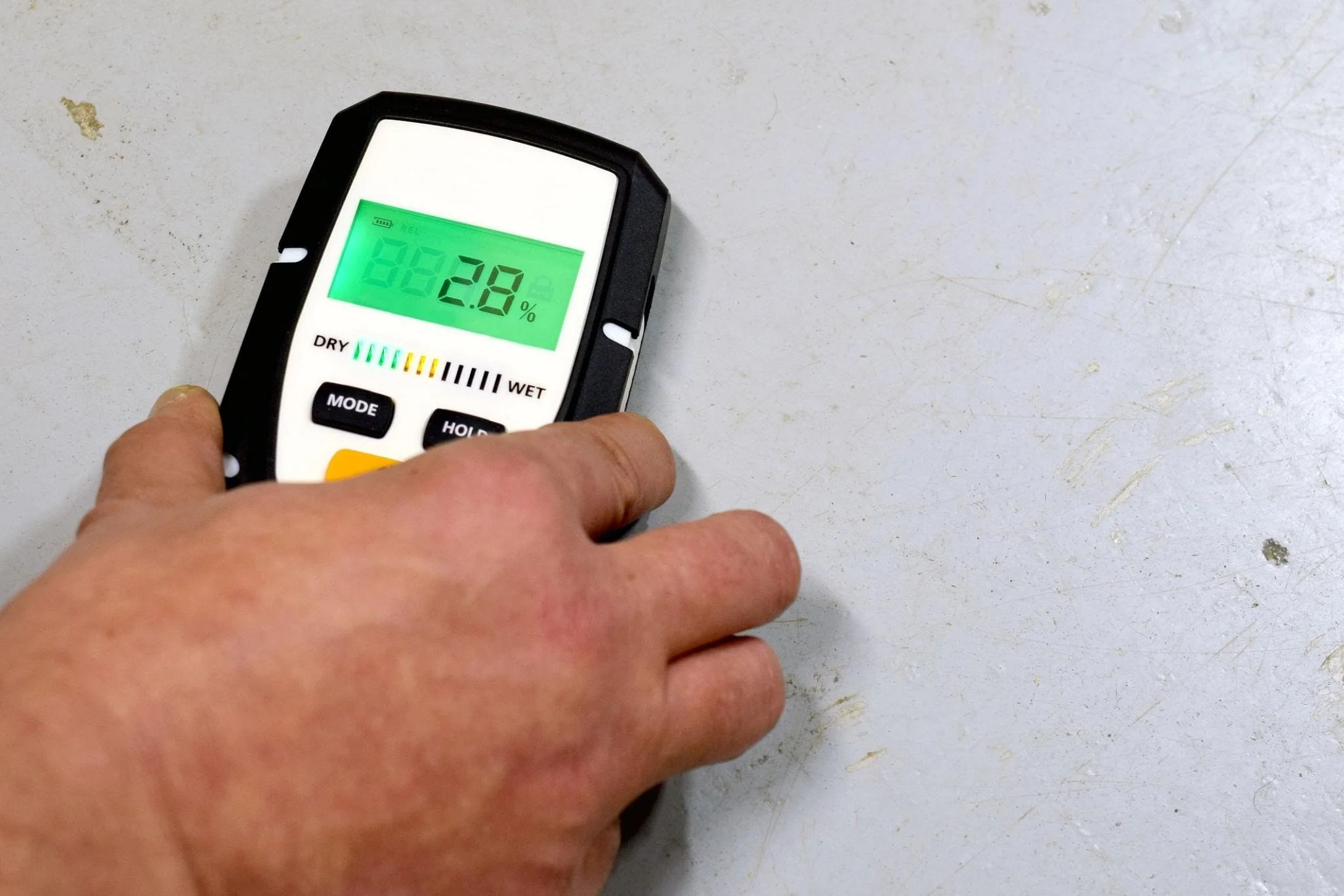
Inspectors may perform limited intrusive testing, such as:
Removing small sections of material
Using moisture meters
Borescope inspections
This helps evaluate hidden structural components without causing significant damage to the structure.
8. Inspection Report and Findings
After the inspection, a detailed report is provided to the property owner.
The report typically includes:
Condition of structural components
Identified safety concerns
Photographic documentation
Recommendations for repairs
Timeline for corrective actions
This report serves as a baseline for future inspections and helps guide maintenance decisions.
Balcony Inspections Under SB 721 and SB 326
In California, balcony inspections are often required under specific regulations.
According to state requirements, exterior elevated elements such as balconies, decks, stairways, and walkways that are supported by wood or wood-based components must be inspected to ensure they remain safe for occupants.
These inspections include evaluating structural integrity, waterproofing systems, and potential hazards such as decay or deterioration.
Property owners often schedule CA-SB 721 inspections or CA-SB 326 inspections to meet compliance requirements and maintain building safety.
How to Prepare for a Balcony Inspection
Preparing for a balcony inspection helps ensure the process is efficient and thorough.
Property owners should:
Remove stored items or clutter
Ensure inspectors have clear access to all areas
Address visible safety concerns in advance
Review maintenance records if available
Clear access allows inspectors to evaluate structural components and identify potential issues properly.
How Great Escape Service & Inspection Can Help
When it comes to balcony safety, professional expertise is essential.
Great Escape Service & Inspection provides a comprehensive evaluation of balconies, decks, walkways, and other exterior elevated elements. Our team performs detailed balcony inspection services, deck inspection services, and exterior elevated element inspections, including CA-SB 721 and CA-SB 326 inspections for regulated buildings.
We focus on identifying hidden structural risks, moisture-related issues, and safety concerns that may affect occupants. Our inspection reports provide clear guidance on necessary repairs and help property owners stay compliant with inspection requirements.
Scheduling regular inspections with Great Escape Service & Inspection helps ensure balconies remain safe, functional, and structurally sound.
Frequently Asked Questions
What is included in a balcony inspection?
A balcony inspection includes evaluation of structural components, waterproofing systems, railings, drainage, and potential signs of deterioration. Inspectors also check load-bearing elements and may perform limited testing if needed.
Are balcony inspections required in California?
Yes, certain buildings must comply with CA-SB 721 or CA-SB 326 regulations. These laws require inspection of exterior elevated elements such as balconies, decks, and walkways.
How long does a balcony inspection take?
The duration depends on the size and condition of the building. Larger properties or inspections requiring testing may take longer to complete.
Can balcony issues be hidden?
Yes, many structural issues develop beneath surfaces and may not be visible. Professional inspections help identify hidden problems before they become serious.