What is the Difference Between CA-SB 326 and CA-SB 721 Requirements?
California created two major balcony safety laws to reduce structural failures in multi-family buildings: CA-SB 326 and CA-SB 721. Both laws focus on the safety of Exterior Elevated Elements (EEEs) such as balconies, decks, walkways, landings, and stairs. But each law applies to different property types and has different inspection cycles, inspector requirements, and reporting rules.
Below is a clear guide to help property owners, HOAs, and managers understand the difference between SB 326 and SB 721, when each law applies, and how to stay compliant.
What is CA-SB 721?
CA-SB 721 is California’s balcony and deck inspection law for apartments and rental properties with three or more dwelling units. It was created after the 2015 Berkeley balcony collapse to ensure rental units stay structurally safe.
SB 721 requires owners to inspect all Exterior Elevated balconies, decks, walkways, landings, stairways, and railings six feet or higher.
What is CA-SB 326?
CA-SB 326 is the companion law for condominiums and HOAs. It requires structural inspections of all Exterior elevated elements in condo communities to protect residents in shared buildings.
A licensed Architect or Engineer must perform SB 326 inspections, and findings must be presented to the HOA board.
SB 326 vs SB 721: Full Comparison Table
| Category | SB 721 (Apartments) | SB 326 (Condos / HOAs) |
|---|---|---|
| Applies to | Apartments with 3 or more units | Condo associations / HOA buildings |
| Goverving code | Health & Safety Code §17973 | Civil Code §5551 |
| Inspector type | Licensed Contractor, Engineer, Architect | Licensed Engineer or Architect |
| Inspection cycle | Every 6 years | Every 9 years |
| Elements inspected | Balconies, decks, landings, stairs, walkways | Same as SB 721 (wood-based EEEs) |
| Non-compliance | Fines, citations, enforcement | Fines, liability risk, insurance issues |
| Report submitted to | Local city (if required) & owner | HOA Board |
| Repair deadline | 120 days after permit approval | 120 days after permit approval |
Why California Has Two Different Balcony Laws
Because decision-making and maintenance structures differ, the state created separate compliance paths that fit each property type.
California separated the laws because buildings and HOA communities are managed differently:
Property owners and managers oversee rental buildings.
Condo buildings are governed by HOA boards, where homeowners collectively share responsibility.
Which Law Applies to Your Building?
Use this quick identification:
CA-SB 721 Applies If:
The building has 3+ units
The property is not a condo
Tenants occupy the units
CA-SB 326 Applies If:
The building is part of a condo association / HOA
Units are individually owned
Common areas are shared
If you are still unsure, Great Escape Service & Inspection can help confirm the correct law and inspection timeline.
What Buildings Must Be Inspected Under CA-SB 721 and CA-SB 326?
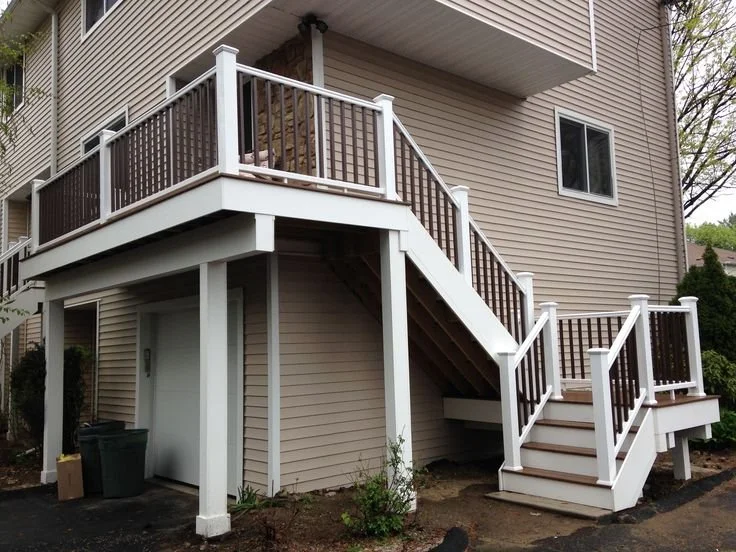
Both laws CA-SB 721 and CA-SB 326 apply to Exterior Elevated Elements (EEEs) that are:
Six feet or more above the ground
Load-bearing
Made of wood or wood-based materials
Attached to the building (not free-standing only)
Examples:
Balconies
Decks
Walkways and catwalks
Exterior stairs
Landings
Railings connected to EEEs
Inspection Deadlines
SB 721: The first inspection must be completed by January 1, 2026. Don’t miss the deadline.
SB 326: The deadline passed. First round needed by January 1, 2025
Future cycles:
SB 721 → every 6 years
SB 326 → every 9 years
Delays in inspections may result in enforcement action or compliance penalties.
Who Can Perform the Inspections in California?
Under CA- SB 721:
Licensed Contractor
Civil Engineer
Structural Engineer
Architect
Under CA- SB 326:
Structural or Civil Engineer
Licensed Architect
SB 326 requires a higher-level inspector because condo communities tend to have more complex shared structural systems.
Penalties for Ignoring SB 721/SB 326 in California
Failure to comply can lead to:
City-issued citations or fines
Loss of occupancy approval
Liability for injuries
Insurance complications
Costly emergency repairs
HOA board legal exposure (in SB 326 cases)
How Great Escape Service & Inspection Helps
Great Escape Service & Inspection provides licensed, code-compliant SB 721 and SB 326 inspections across California.
They help property owners and HOAs with:
Full EEE inspections
Moisture and dry rot detection
Borescope testing
Photo documentation
Official compliance reporting
Repair coordination
City form submissions
Conclusion
The CA-SB 721 and CA-SB 326 share the same goal, preventing balcony and deck failures, but they apply to different property types and follow different inspection rules. SB 721 focuses on apartment properties, while SB 326 governs condominium/HOA communities. Knowing which law applies to your building ensures you stay compliant, avoid penalties, and keep residents safe.
If you manage an HOA or apartments, Great Escape Service & Inspection can guide you through the inspection, repair, and compliance process with clarity and accuracy.
FAQs
1. What is the main difference between SB 326 and SB 721?
SB 721 applies to apartments, while SB 326 applies to condominiums and HOAs. They also have different inspector requirements and inspection cycles.
2. Do both CA-SB 721 & CA-SB 326 laws require balcony inspections?
Yes, both CA-SB 721 and CA-SB 326 require inspections of elevated balconies, decks, and similar wood-based structures.
3. How often do SB 721 and SB 326 inspections repeat?
SB 721 repeats every 6 years.
SB 326 repeats every 9 years.
4. Who is allowed to perform SB 721 inspections?
Licensed contractors, engineers, and architects are authorized to perform SB 721 inspections.
5. Who is allowed to perform SB 326 inspections?
Only licensed Structural/Civil Engineers or Architects.
6. What happens if a property fails the inspection?
The owner or HOA must initiate repairs within 120 days of permit approval. Cities may issue fines for delays.
7. Are balconies the only structures inspected?
No. Walkways, decks, landings, stairs, and railings connected to elevated elements are also inspected.
8. Do both laws require borescope testing?
Yes. Both laws require inspecting concealed wood areas, often using borescopes.
9. Can a handyman perform repairs after inspection?
For structural repairs, a licensed contractor is required.
10. How do I schedule an SB 721 or SB 326 inspection?
You can schedule with Great Escape Service & Inspection, who handle inspections, reports, and city submissions.